People don’t usually show up where they haven’t been invited.
My uncle tells my parents all the time, “You’re welcome to stop by anytime.”
And they never do.
But the moment he invites them over for dinner—specifically—they show up on time and have a great time.
The same is true for your customers.
A vague “everyone is welcome” isn’t enough.
People need a clear invitation.
That’s where many brands miss the mark—and why customer acquisition continues to be one of the most misunderstood levers of growth.
Too many brands still rely on a passive “build it and they will come” mindset. But in today’s market, customers don’t just stumble into brands. They respond to intention.
That’s why the most effective customer acquisition strategies do one thing exceptionally well:
They clearly communicate, “This experience was designed with you in mind.”
Below are 17 proven customer acquisition strategies, grouped into five strategic buckets, that help brands win more customers—including those from communities brands have historically overlooked.
Customer Acquisition as an Invitation
Before we dive in, it helps to reframe customer acquisition.
Think of it like inviting people to a party. There are four phases:
- Deciding who you’re inviting
- Sending the invitation
- Getting your house in order so guests feel welcomed
- Answering the unspoken question before people say yes:
“Who else is going to be there?”
Most brands focus heavily on the first two—and underestimate the last two.
The strategies below help you address all four.
Listen on Apple Podcasts | Spotify | YouTube Music
Bucket 1: Content & Media
1. Influencer marketing that reflects the community
One of the most effective customer acquisition strategies is working with people who are already trusted by the communities you want to reach.
A recent example came from Love Island USA Season 7 fan favorites Nic and Olandria, who partnered with brands like Kulani Kinis and Agua de Kefir. Many consumers—particularly Black women—discovered those brands for the first time through Olandria’s campaigns.
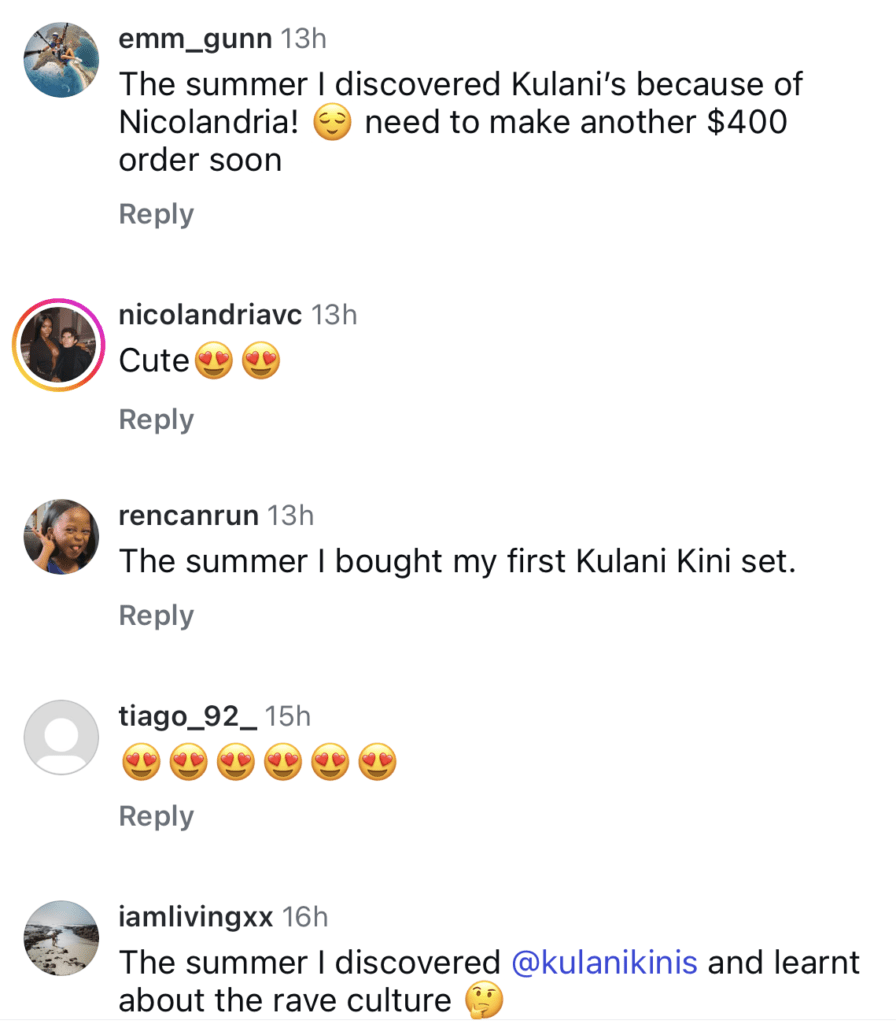
The takeaway isn’t “work with mega-influencers.”
It’s work with trusted voices who share identity or lived experience with your ideal customers.
Relevance matters more than reach.
2. Strategic partnerships and collaborations
Strategic collaborations allow brands to borrow trust and accelerate acquisition.
Cosmetics brand NYX Professional Makeup collaborated with Nic and Olandria on a limited-edition lip combo that sold out in just five hours—paired with exclusive access to a live virtual event.
Another example: Levi’s partnered with Beyoncé around her Cowboy Carter album and tour, connecting culture, community, and product in a way that felt natural and timely.
3. Targeted media placement
Visibility works best when it shows up where your customers already are.
Minority-owned media, in particular, holds deep trust within underrepresented communities. Investing there is both a smart acquisition strategy and a meaningful signal of respect.
For example, Toyota partnered with Sonoro—a Latino-focused media company—to create a sponsored podcast series aimed at Latino consumers.
When brands place media intentionally, customers notice.
And recall increases.
4. Inclusive and localized content
No one wants to feel like an afterthought.
Inclusive, localized content works because it feels intentional—not generic.
HubSpot executes this well through multilingual content strategies that help the brand acquire customers across more than 135 markets.
The goal isn’t translation alone.
It’s relevance.
5. User-generated content from the community
User-generated content is one of the most underutilized customer acquisition strategies.
A creator once called out Pampers on TikTok for how impractical their baby wipes were for parents changing diapers one-handed. The comments filled with agreement.
Brand Rascals responded—not defensively, but strategically—by dueting the video and showing how their product solved the exact problem. That moment led to a creator collaboration and a surge in customer acquisition.
UGC works because it enters the conversation already happening in customers’ minds.
Bucket 2: Community & Culture
6. Elevate community stories
Brands that invest in storytelling—where the community reminds the hero—build deeper trust.
Ralph Lauren has done this through collections like their collaboration with Native American designer Naomi Glasses and the Oaks Bluffs collection highlighting Black history on Martha’s Vineyard.
This approach doesn’t center the brand.
It centers people.
7. Sponsor community events and show up locally
Local presence builds credibility.
Sponsoring school events, sports teams, or neighborhood initiatives demonstrates care—not just commerce.
When a local pediatric dentist sponsored car-line tags at a school, it didn’t feel like advertising. It felt helpful. That’s how trust begins.
8. Acknowledge heritage and cultural celebrations
Brands that meaningfully acknowledge cultural moments create powerful invitations.
Sprinkles Cupcakes introduces limited-edition flavors like coquito or Vietnamese coffee.
IKEA released Diwali-specific products that consumers proudly shared online.
These moments tell customers: “We see you.”
9. Stand up for causes that matter
Values influence purchasing decisions more than ever.
Ben & Jerry’s has long demonstrated how values-driven marketing—when backed by action—can be a customer acquisition driver.
This isn’t about performative activism.
It’s about clarity and consistency.
10. Responsible marketing that solves real problems
Responsible marketing removes barriers.
Mastercard did this with its True Name card, allowing transgender and non-binary customers to use their chosen name.
That’s not messaging.
That’s action.
Bucket 3: Product & Experience
11. Products designed for specific needs
Designing with intention is one of the clearest customer acquisition signals.
When Mattel made UNO color-blind accessible, it invited an entire community to participate more fully.
Similarly, restaurants that offer genuinely extensive gluten-free menus don’t just accommodate—they attract.
12. Customer experiences tailored for them
Experience design matters.
Walmart introduced sensory-friendly shopping hours nationwide.
Some Chuck E. Cheese locations offer sensory-sensitive Sundays.
These experiences reduce friction—and open doors.
13. Personalized outreach
Personal invitations convert.
Direct outreach—when done thoughtfully—can outperform broad messaging, especially for high-consideration products or services.
A genuine “this made me think of you” goes a long way.
Bucket 4: Representation & Voice
14. Employee advocacy and representation
Representation across your team sends a powerful signal.
Wistia regularly features team members of diverse backgrounds in its content, signaling who the brand is for—and who belongs.
15. Co-create with the community
Co-creation builds trust and relevance.
Haircare brand got2b uses an advisory council of creators from different communities to inform marketing and product ideas.
Co-creation says: “Your voice matters.”
Bucket 5: Incentives & Conversion
16. Offer relevant incentives
Incentives work best when they’re timely and contextual.
A new Chick-fil-A location handing out breakfast coupons to school-drop-off parents wasn’t random—it was strategic.
Right incentive.
Right moment.
17. Proactively answer identity-based questions (SEO)
This is one of the most overlooked customer acquisition strategies.
Customers with specific needs—mobility, dietary, accessibility—often search before buying.
Answering those questions clearly on your website, Google profile, or blog reduces friction and increases conversion.
SEO isn’t just visibility.
It’s reassurance.
The Common Thread Across All Customer Acquisition Strategies
Every strategy above answers the same question:
“Will this product, service, or experience work for someone like me?”
The brands that win don’t invite customers once.
They keep showing up.
They measure.
They optimize.
And they understand that trust—especially with communities long overlooked—takes more than a single invitation.
How to Choose the Right Customer Acquisition Strategies for Your Brand
Not every customer acquisition strategy will be right for every brand — and trying to use all 17 at once is a recipe for burnout, not growth.
The key is choosing strategies that align with three things:
1. Who you’re trying to reach
Start by getting clear on the identities, needs, and contexts of the customers you want to serve. Some strategies work best when trust already exists. Others are designed to introduce your brand for the first time.
2. Where your customers already spend time
Effective customer acquisition isn’t about being everywhere — it’s about being present in the right places. Whether that’s specific media channels, community spaces, events, or platforms, your strategy should meet customers where they already are.
3. What barriers might be in the way
Underrepresented and underserved customers often face additional friction — from accessibility challenges to past negative brand experiences. The strongest customer acquisition strategies actively remove those barriers rather than ignoring them.
A simple way to start is to choose one strategy from each bucket — content and media, community and culture, product and experience, representation and voice, and incentives and conversion — and test them intentionally.
Measure what resonates. Listen closely to feedback. Then optimize.
Customer acquisition isn’t about doing more. It’s about doing what matters — consistently and with intention.
Ready to Choose the Right Strategies?
If you want help identifying which of these customer acquisition strategies are right for your business—and how to put them into action—the New Rules Strategy Session is the place to start.
It’s where we map a customer acquisition plan designed for today’s customers.
Details are linked below.
Final Thought
Everyone deserves a place where they belong.
When your customer acquisition strategies are intentional, inclusive, and consistent, you don’t just attract customers—you earn them.
And that’s how growth compounds.
Found this post useful?
There’s more where that came from—get insights on the new rules of growth delivered to your inbox.